 English
 Spanish
 French
 German
 Italian
 Chinese (Simplified)
 Japanese
 Korean
 Arabic
 Portuguese
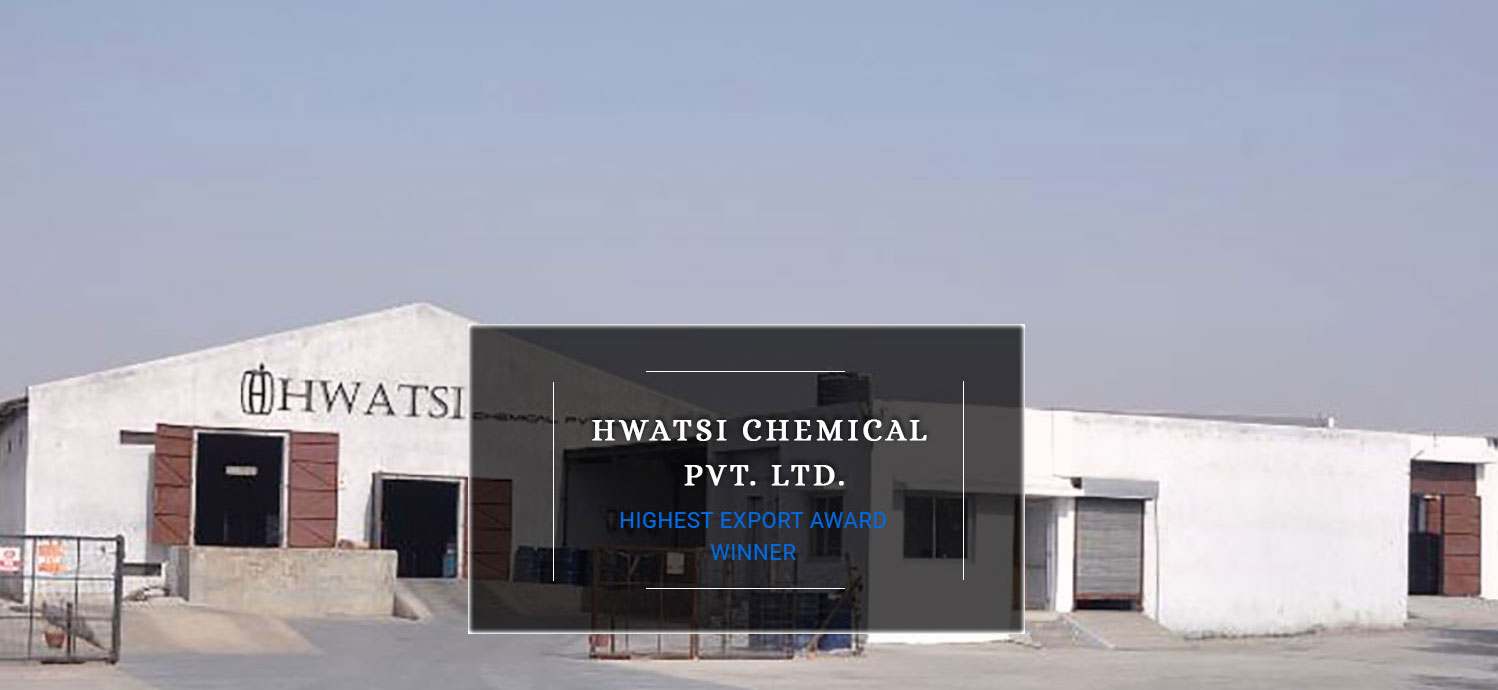
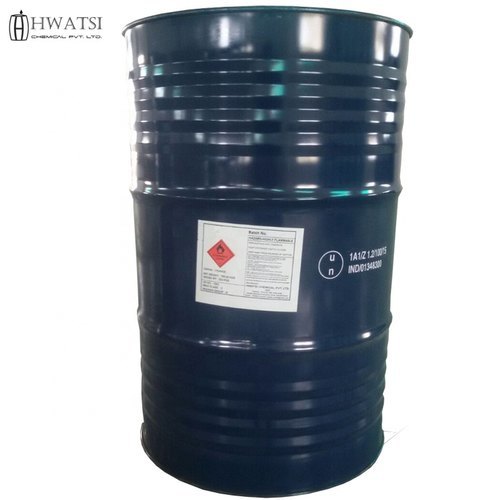
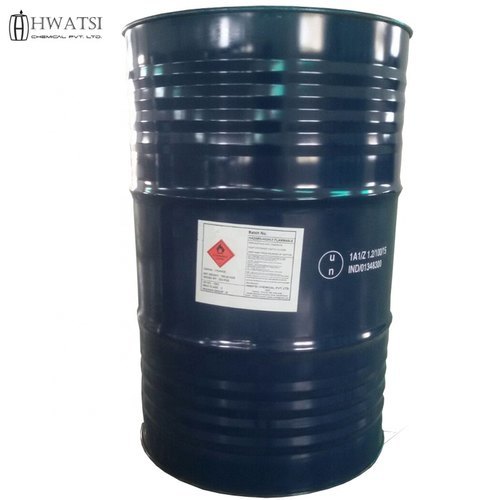
Bulk Liquid Industrial Methanol 99%/
36000.00 INR/Metric Ton
Product Details:
- Molecular Weight 32.04 Grams (g) Grams (g)
- Other Names hydroxymethane methyl alcohol wood alcohol carbinol
- Form Liquid
- Boiling point 64.7C
- Density 792 Kilogram per cubic meter (kg/m3) Kilogram per cubic meter (kg/m3)
- Purity 99.9% min
- Molecular Formula CH3OH
- Click to View more
X
Bulk Liquid Industrial Methanol 99%/ Price And Quantity
- 1 Metric Ton
- 36000.00 INR/Metric Ton
Bulk Liquid Industrial Methanol 99%/ Product Specifications
- 29051100
- Water
- CH3OH
- 98 C(lit.)
- 67-56-1
- Industrial Grade
- 64.7C
- Liquid
- hydroxymethane methyl alcohol wood alcohol carbinol
- 32.04 Grams (g) Grams (g)
- 99.9% min
- Methanol
- 792 Kilogram per cubic meter (kg/m3) Kilogram per cubic meter (kg/m3)
- industrial use
- Industrial
Bulk Liquid Industrial Methanol 99%/ Trade Information
- MUMBAI
- 200 Metric Ton Per Month
- 1 - 2 Week
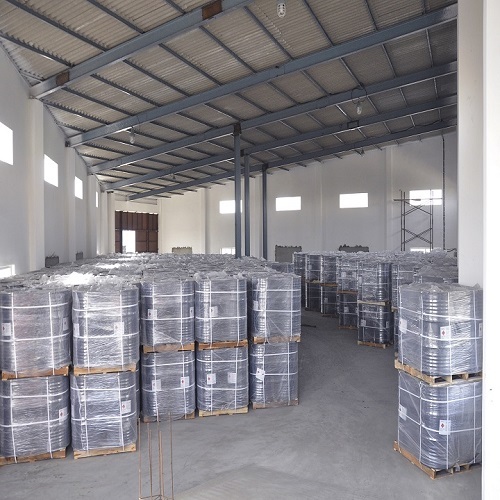
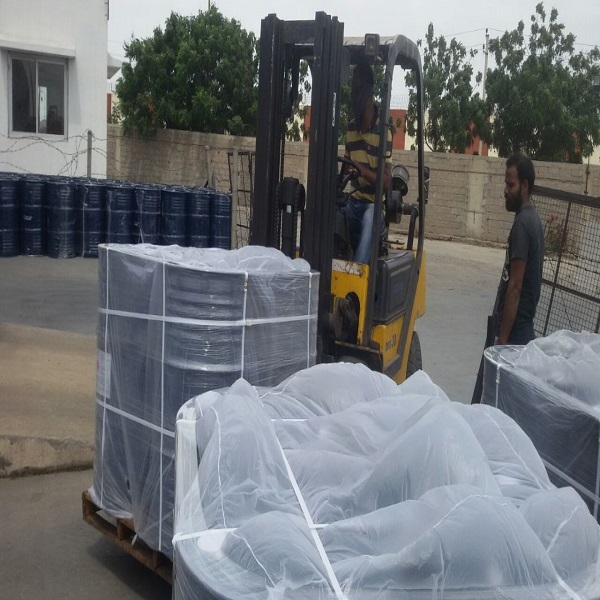
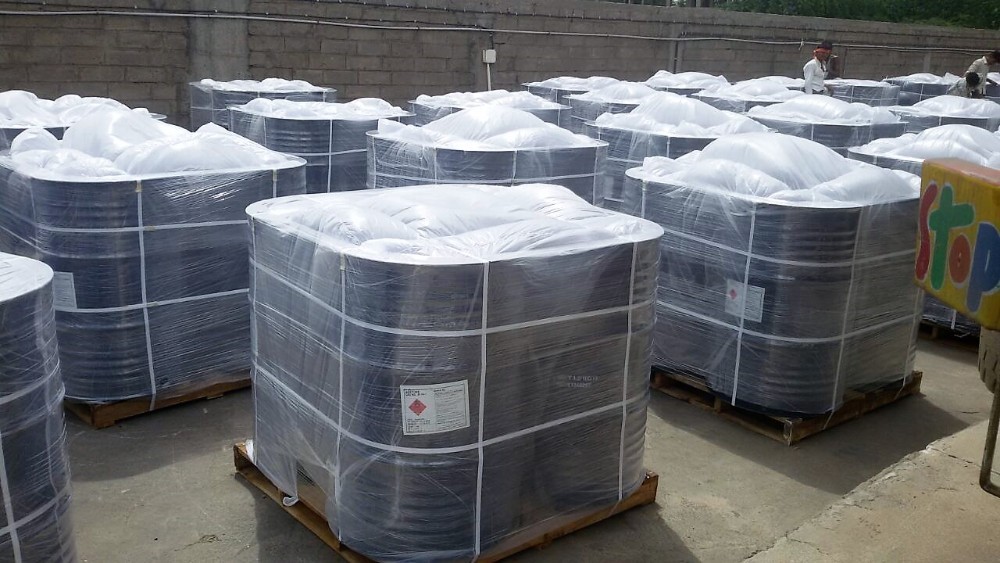
- It is Non Hazardous Cargo. We provide 150-200 kgs packing in Drums with Shrink wrapped, Palatalized.
- ISO certified company and rated by Crisil - high in financial
Product Description
The Methanol offered by us is made utilizing latest machines and cutting-edge technology. It is made utilizing high grade raw materials used as per set standards and meet the international norms as well. We deliver quality products, manufactured using the raw material. At our facility we have a team of skillful members that have a vast knowledge in this domain. You can secure payment procedures by our advance payments gateways and modes. Methanol is highly toxic liquid chemical widely used as an antifreeze, solvent, fuel and as a denaturant for ethanol.
- It is also named as 2- Butoxyethanol, Butyl Glycol Ether, Ethylene Glycol Butyl Ether
Features:
- A low flash point solvent with a high evaporation rate.
- An excellent solvent for most natural and synthetic resins.
- A high purity fuel with low viscosity.
- Absorbs moisture readily which assists in natural gas drying.
- Versatility Methanol can be included in any formulation where speed of evaporation isrequired and it combines well with other organic compounds.
- Solvency Methanol has high solvency of resins used in surface coatings or as a specialised fuel.
Versatile Industrial Applications
Methanol is essential in a variety of industrial sectors, including chemical manufacturing, pharmaceuticals, and fuel industries. Its strong solvency and high purity make it ideal for synthesizing formaldehyde, acetic acid, and resins. As a fuel additive, methanol optimizes engine performance and reduces emissions. Its adaptability makes it a key component in modern industrial processes.
Safety and Handling Procedures
Proper handling of methanol is crucial due to its high volatility and toxicity. Operators must use protective equipment and ensure adequate ventilation during storage and usage. Methanol should be stored in secure containers away from heat sources, following all guidelines prescribed for industrial chemicals. Detailed safety data sheets and instructions are provided by the supplier to ensure safe application.
Advantages of High Purity Methanol
Methanol with 99.9% purity delivers consistent and reliable results, improving process efficiency and product quality. Its low impurity level ensures smooth operation in chemical reactions and prevents unwanted by-products. This grade of methanol is favored in industries where precision and safety are paramount, underscoring its value over lower grade alternatives.
FAQs of Bulk Liquid Industrial Methanol 99%/:
Q: How is industrial-grade methanol typically used in manufacturing processes?
A: Industrial-grade methanol is primarily used as a feedstock in the production of chemicals such as formaldehyde, acetic acid, and resins. It also serves as a solvent in pharmaceutical industries and as a fuel or fuel additive in energy sectors.Q: What benefits does 99.9% purity methanol offer for industrial applications?
A: Methanol with a minimum purity of 99.9% ensures optimum chemical reactions and high quality output. This reduces the risk of contaminants affecting production, leading to greater efficiency and reliability in processes.Q: When is it necessary to use high purity methanol rather than lower grade alternatives?
A: High purity methanol is essential whenever industrial processes demand minimal impurities, such as in sensitive chemical syntheses or where strict product quality standards must be upheld, especially in the pharmaceutical and fine chemical industries.Q: Where should bulk methanol be stored to maintain its safety and quality?
A: Bulk methanol should be stored in cool, well-ventilated environments, away from heat, sunlight, and sources of ignition. Dedicated chemical storage tanks with proper labeling and containment measures are recommended to avoid hazards.Q: What is the process for exporting methanol from India under HS Code 29051100?
A: Exporting methanol requires compliance with international regulations, proper documentation under HS Code 29051100, and coordination between exporters, manufacturers, and suppliers. Safety standards and quality checks are mandatory before international shipment.Q: Is methanol soluble in water and how does this property benefit industrial usage?
A: Yes, methanol is highly soluble in water. Its miscibility allows it to blend easily with other solvents and reactants, enhancing its effectiveness in chemical synthesis and cleaning applications across various industries.Q: What safety precautions should be followed when handling methanol in an industrial setting?
A: Use appropriate personal protective equipment, work in ventilated areas, and store methanol securely. Follow the suppliers safety data sheet, avoid direct contact, and ensure spill containment measures are in place.Tell us about your requirement

Price:
Quantity
Select Unit
- 50
- 100
- 200
- 250
- 500
- 1000+
Additional detail
Mobile number
Email

Other Products in 'Industrial Chemical' category




Contact Details

- HWATSI CHEMICAL PRIVATE LIMITED
GST : 27AABCH3433Q1ZA - Head Office: A Wing 332 and 311, Antophill Warehousing, Salt Pan Road, Wadala East,Mumbai - 400037, Maharashtra, India

- Factory On Port: Plot 586 And 587, Kandla Special Economic Zone, India.
Mr. Yash Bharatkumar Sheth
(INTERNATIONAL BUSINESS DEVELOPMENT TEAM)
 : +919821727511,
Other Office / Associate : TURKEY, DUBAI, IRAN, EGYPT, NIGERIA AND AUSTRALIA
- Mr. Yash Bharatkumar Sheth (INTERNATIONAL BUSINESS DEVELOPMENT TEAM)
- Mobile : +919821727511
-
 Send Inquiry
 Send Inquiry
|


 |
HWATSI CHEMICAL PRIVATE LIMITED
All Rights Reserved.(Terms of Use) Developed and Managed by Infocom Network Private Limited. |
