 English
 Spanish
 French
 German
 Italian
 Chinese (Simplified)
 Japanese
 Korean
 Arabic
 Portuguese
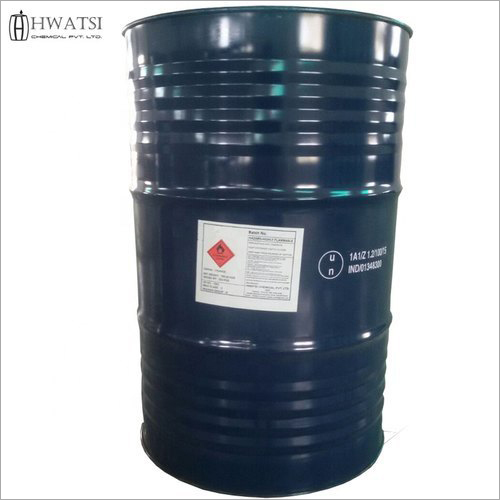
Xylene Chemical
Product Details:
- Solubility Insoluble in Water, Miscible with Most Organic Solvents
- Appearance Clear, Colorless Liquid
- Density 0.88 Gram per cubic centimeter(g/cm3)
- Molecular Weight 106.17 g/mol
- Odour Aromatic, Sweet
- Ph Level Not Applicable (Neutral in Anhydrous Form)
- Storage Instructions Store in Cool, Ventilated Place Away from Heat/Ignition Sources
- Click to View more
X
Xylene Chemical Product Specifications
- 24 Months from Manufacturing Date
- Direct Use, Blending, Solvent, Cleaning
- Aromatic, Sweet
- 106.17 g/mol
- Aromatic Hydrocarbon Solvent
- Clear, Colorless Liquid
- Paint Thinner, Cleaning Agent, Printing, Rubber, Leather Industries
- Store in Cool, Ventilated Place Away from Heat/Ignition Sources
- Not Applicable (Neutral in Anhydrous Form)
- 1330-20-7
- Industrial Grade
- Industrial Solvent, Degreasing, Paints, Coatings
- Liquid
- Rapid (Depending on Conditions)
- 99.5%
- Crude Oil (Petrochemical Derivative)
- 24 Months
- Insoluble in Water, Miscible with Most Organic Solvents
- 0.88 Gram per cubic centimeter(g/cm3)
- Dimethylbenzene, Xylol
- Xylene
- AAA
- Yes
- Built-in WiFi, Screen Mirroring
- Android
- 2
- 178
- 60 Hz
Product Description
With the help of our team of experienced professionals, we trader and supply supreme quality Xylene Chemical. Offered chemical is used as a solvent in printing, leather & rubber and as a cleaning agent for steel, silicon wafers & chips. This chemical is processed under suitable conditions using better quality chemical substances in fulfilment of the industrial standards. Also used as a thinner for paint and varnishes, we make certain that this Xylene Chemical is brilliant on accounts of the quality.
An organic compound called Xylene comes in liquid form. Xylene chemical is a flammable, non-viscous with no colour. It is not water soluble and is utilized in the manufacturing of fibres, rubber, leather, dyes, films and other industrial products. When used in labs, this chemical compound cools down reaction vessels. The chemical is blended in paints and varnishes for thinning. This is also used in industries as a clearing agent. It is a mix of three isomers. Xylene chemical is also used for making other chemicals.
Features:
- Purity
- High effectiveness
- Precise pH value
- Longer shelf life
Key Industrial Applications
Xylene plays a crucial role in several industries, acting as both a powerful solvent and a cleaning agent. It is often used in paint formulations, rubber processing, leather finishing, and as a printing ink ingredient. Its ability to dissolve various organic substances makes it indispensable in industrial processes, contributing to improved efficiency and product quality across manufacturing sectors.
Handling and Storage Guidelines
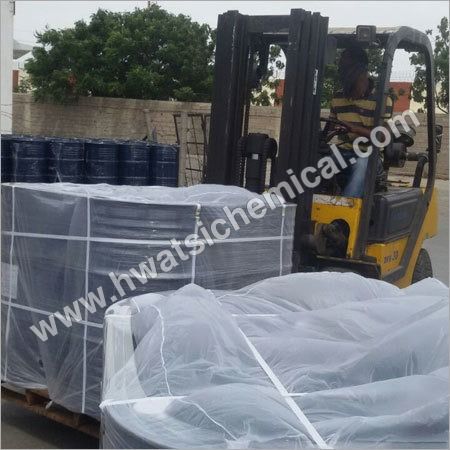
For safety, Xylene should be stored in cool, well-ventilated areas far from heat or ignition sources. Proper packaging in drums or bulk tankers ensures secure transportation and storage. As a flammable liquid, adherence to local regulations and recommended storage practices reduces fire hazards and protects workplace environments.
Environmental and Safety Measures
Xylene vapours are harmful when inhaled and can pose hazards to both human health and aquatic environments. Utilize personal protective equipment, ensure adequate ventilation, and follow safe disposal protocols. Responsible use and handling help mitigate environmental risks and promote a safer industrial operation.
FAQs of Xylene Chemical:
Q: How should Xylene be safely handled and stored in an industrial setting?
A: Xylene must be stored in cool, well-ventilated surroundings, away from heat, open flames, and ignition sources. Use tightly sealed drums, barrels, or tankers, and always follow local regulations for flammable liquids to minimize risks of fire or hazardous exposure.Q: What are the primary industrial uses of Xylene?
A: Xylene is predominantly used as a solvent in paints, coatings, and printing inks, and as a cleaning agent and degreaser in rubber and leather manufacturing. Its rapid drying and effective solvency make it essential for various industrial cleaning and formulation processes.Q: When should Xylene be disposed of, and what is the recommended disposal method?
A: Dispose of Xylene when it reaches its shelf life of 24 months or becomes contaminated. Always follow local environmental and safety guidelines, ensuring Xylene does not enter water bodies. Specialized waste disposal services or licensed hazardous waste facilities should handle the process.Q: Where can Xylene be applied within manufacturing processes?
A: Xylene is applied directly in blending operations, cleaning processes, and as a raw material in paints, thinners, and industrial coatings. It is suitable for use in facilities dealing with rubber, leather, adhesives, and ink production due to its versatile solvency profile.Q: What benefits does Xylene offer compared to other industrial solvents?
A: Xylenes high purity, rapid evaporation rate, and effectiveness in dissolving organic compounds enhance product quality and process speed. Its miscibility with most organic solvents and neutral pH further broaden its application spectrum without affecting substrate integrity.Q: How toxic is Xylene and what safety measures should operators observe?
A: Xylene vapours are harmful if inhaled and may cause respiratory irritation. Operators must use personal protective equipment such as gloves and masks and ensure adequate ventilation. Long-term or improper exposure can adversely affect health, emphasizing safe handling at all times.Q: What steps are involved in using Xylene for cleaning and degreasing equipment?
A: Apply Xylene directly or blend with other compatible solvents for cleaning. Ensure proper ventilation during use; after cleaning, collect residue and dispose of waste according to hazardous chemical protocols. Rinse equipment thoroughly if required, and promptly store leftover Xylene in approved containers.Tell us about your requirement

Price:
Quantity
Select Unit
- 50
- 100
- 200
- 250
- 500
- 1000+
Additional detail
Mobile number
Email

Other Products in 'Solvent Chemicals' category



Contact Details

- HWATSI CHEMICAL PRIVATE LIMITED
GST : 27AABCH3433Q1ZA - Head Office: A Wing 332 and 311, Antophill Warehousing, Salt Pan Road, Wadala East,Mumbai - 400037, Maharashtra, India

- Factory On Port: Plot 586 And 587, Kandla Special Economic Zone, India.
Mr. Yash Bharatkumar Sheth
(INTERNATIONAL BUSINESS DEVELOPMENT TEAM)
 : +919821727511,
Other Office / Associate : TURKEY, DUBAI, IRAN, EGYPT, NIGERIA AND AUSTRALIA
- Mr. Yash Bharatkumar Sheth (INTERNATIONAL BUSINESS DEVELOPMENT TEAM)
- Mobile : +919821727511
-
 Send Inquiry
 Send Inquiry
|


 |
HWATSI CHEMICAL PRIVATE LIMITED
All Rights Reserved.(Terms of Use) Developed and Managed by Infocom Network Private Limited. |
